Easy Jerky Marinade Recipes for UK Beginners
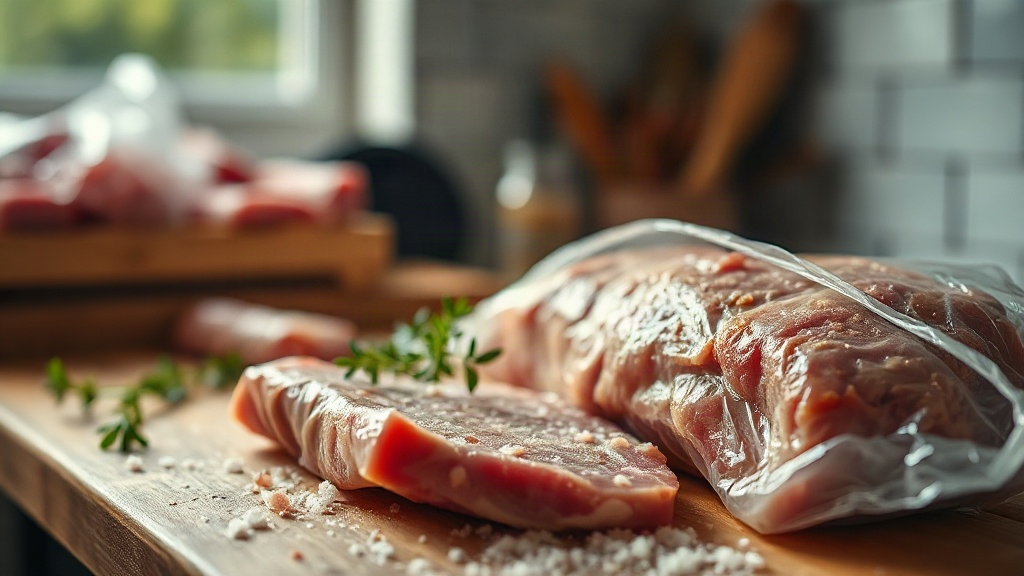
A marinade flavours the surface of your meat, but it cannot make jerky safe or shelf-stable on its own—only proper drying achieves that. This is why the simple recipes you’ll find here are built from a few cupboard ingredients, focusing on what truly matters for both taste and safety.
Worcestershire sauce, Marmite, and smoked paprika deliver the savoury depth some recipes chase with expensive liquid smoke. These UK kitchen staples offer an affordable route to flavour without compromising on the essential drying process that keeps jerky safe to eat.
Safety First: Understanding the Limits of Marinade
Flavour and safety are separate concerns when making jerky. While a good marinade enhances taste, the real security comes from how you dry the meat.
Process controls—specifically temperature and drying time—are what determine safety, not the recipe itself. Many home dehydrators operate around 60-70°C, which isn’t sufficient to reliably eliminate pathogens like Salmonella or E. coli. Relying solely on drying without a final heat treatment is a risk.
The solution is straightforward: after drying, finish the jerky in a hot oven. This additional step ensures safety without needing specialised equipment.
Building Flavour with Kitchen Staples
Umami—that savoury, complex taste—comes from glutamate-rich ingredients. Instead of pricey liquid smoke, consider these common alternatives:
- Worcestershire sauce contains yeast extract and tamarind, both natural sources of glutamate.
- Marmite, being concentrated yeast extract, adds intense savoury notes with just a small amount.
- Smoked paprika provides the smoky character many seek, without the cost premium.
Combine them for a marinade with real depth. A simple blend might include a few tablespoons of Worcestershire sauce, a teaspoon of Marmite (dissolved in warm water first), a teaspoon of smoked paprika, half a teaspoon of black pepper, and optional garlic powder. Coat lean beef strips and refrigerate for several hours or overnight.
This combination suits lean cuts like eye of round or top round, which dry evenly. Fat doesn’t dry well and can turn rancid, so lean meat is essential for jerky that keeps.
Ready to start? Download the Free Fermentation Starter Checklist to track your curing projects and safety steps.
The Essential Drying and Baking Method
Dehydrators are convenient but often insufficient for complete pathogen elimination. The key is adding a final oven step.
After drying your meat until firm but still slightly pliable, transfer the strips to a baking tray. Bake for around 10 minutes at roughly 135–160°C, or until the internal temperature of the thickest strip reaches about 71°C. This post-drying heat treatment destroys any remaining pathogens.
The strips should darken slightly and firm up after baking. If your oven runs hot, you might reduce the time slightly; if cool, extend it. A probe thermometer helps verify the internal temperature.
You don’t need a dehydrator—a fan oven on its lowest setting or even a warm room can handle the initial drying. The final oven bake is what makes the process safe, especially for those with minimal equipment.
Drying times vary widely: thin strips in a low oven can take most of a day, thicker cuts longer. The oven step adds just minutes to the overall process.
How Biltong Differs from Jerky
While both are dried meats, biltong follows a different process that affects both safety and flavour.
📺 Watch: Make Your Own Beef Jerky | Food Wishes
Biltong is typically dried at much lower temperatures (cool room temperature) and often uses a vinegar and spice cure initially. This results in a softer texture and tangier flavour profile. The vinegar cure and traditionally higher salt levels create an environment less hospitable to pathogens, which is why biltong recipes may appear to skip the heat treatment that jerky requires.
Treat these as separate products with distinct processes. What works for one doesn’t necessarily apply to the other.
| Feature | Jerky | Biltong |
|---|---|---|
| Drying Temperature | Higher (dehydrator or oven) | Lower (cool room temperature) |
| Initial Treatment | Marinade | Vinegar and spice cure |
| Texture | Firm, chewy | Softer, more cured |
| Key Safety Step | Post-drying oven bake | Vinegar cure and salt control |
For beginners, jerky is the more straightforward starting point. Once comfortable with the safety principles, biltong offers another rewarding option.
Frequently Asked Questions
Is a dehydrator safe for making jerky?
Only if you include the final oven bake. Most home dehydrators don’t reach temperatures high enough to eliminate pathogens reliably. The short bake after drying (about 10 minutes at roughly 135–160°C) is the critical safety step.
Which cuts of meat work best?
Lean cuts like eye of round and top round are ideal—they slice well and dry evenly. Avoid cuts with visible surface fat, as fat doesn’t dry properly and can spoil.
Should I rinse off salt before drying?
No. Rinsing adds an unnecessary step and increases contamination risk. The single-stage process—marinate, dry, bake—is simpler and equally effective.
Can I use pine needles in the marinade?
While some traditional recipes use pine needles for aroma, they’re not commonly available in UK supermarkets. Smoked paprika and Worcestershire sauce achieve similar depth without the sourcing difficulty.
What equipment is essential?
A sharp knife, baking tray, and oven are the basics. A digital scale helps with precise measurements, but the most important factor is following the safety process correctly. A dehydrator is convenient but not mandatory.
These recipes use ingredients you likely already have. The method relies on standard kitchen equipment. The only potential investment is a good scale, which is useful for many kitchen tasks beyond jerky-making.
For those new to home curing, having a clear checklist ensures no step is missed. Use the free checklist to guide your first batch and build confidence.
Related Guides
For a complete walkthrough, see How to Make Jerky at Home in the UK .
Recording Your Results
Write down which marinade and drying time you use for your first batch. The second batch is where you’ll really tune the flavour—noting what worked helps you refine the process. For the full method and safety details, revisit our main guide: How to Make Jerky at Home in the UK .
Sources & Further Reading
Note: This article offers general guidance. Always consult official sources or qualified professionals for specific safety procedures.