How to Make Jerky at Home in the UK
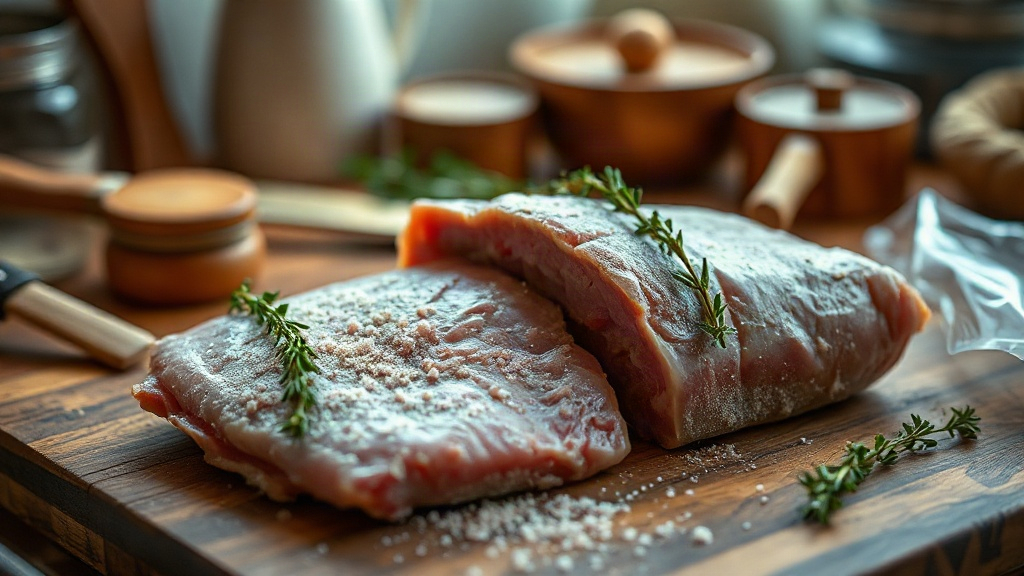
Stir-fry beef is cut for a hot pan. Jerky needs a strip with a middle you can actually measure. Those are different pieces of meat, and drying the thin one until it snaps does not make it the thick one.
As an Amazon Associate we earn from qualifying purchases. This page contains affiliate links — if you buy through them, we earn a small commission at no extra cost to you.
Cook the strip through, then dry it. Do not dry raw beef and call the result safe because it bends. A 2010 draft literature review prepared for the Food Standards Agency separates the two dried snacks in one line. Biltong is marinated and dried in warm air, around 35°C. Jerky is marinated, cooked, and then dried hotter, above around 60°C. The review says jerky should follow the USDA method it summarises: heat the beef in moist air to an internal temperature of 71°C before drying begins. A dial on the machine is not that reading. Benchfoods , writing up the same USDA advice, puts it at 71.1°C in wet heat before dehydration, and says a chamber setting is not the meat’s internal temperature. Use a clean thermometer in the thickest strip.
The review is a draft for the Agency, not a 2026 regulation and not a timer. Read it: literature review on biltong and similar dried meats (PDF) . It also says drying to a water activity below 0.85 is the USDA line for jerky. You cannot measure water activity at home. A bend, a snap, or a leather feel is not that number.
📺 Watch: Make Your Own Beef Jerky | Food Wishes
The film is a jerky demonstration. A Fahrenheit oven and a three-hour marinade on screen are not figures from the review, and they are not instructions from this page.
The cut is topside, not a frying strip
Best Meats for Homemade Jerky in the UK puts topside first: lean, tight grain. Silverside is the runner-up. A marbled steak cut is the wrong buy, because fat does not dry away and it goes stale. Trim what you can see. Buy a joint and slice it, or ask the counter to slice a joint. The ready-cut strips sold for a stir-fry have almost no centre, so they go brittle before you have learned anything. This page will not give you a millimetre that “makes it safe”. Thickness is a texture decision on the drying-time guide. Safety is the 71°C in the middle, taken before you finish the dry.
Mince is the worse start. It dries in patches. The meats guide wants a whole lean muscle. Do not extrude a paste and hope the outside stands in for the inside.
The marinade is flavour. The fridge is the handling rule
Easy Jerky Marinade Recipes for UK Beginners is right: Worcestershire sauce, Marmite and smoked paprika can carry the savoury note people chase with a bottle of liquid smoke. None of that cooks the beef. The review’s handling line for an acidic marinade is 0 to 4°C. That is the fridge, not the worktop. It is not a number of hours.
Surfy’s Prague Powder #1, 500g, colouring-free (paid link) is a nitrite curing salt. The listing limits it to meat you will cook afterwards, and names bacon, ham and a fresh sausage. It is not a jerky dose, and more of it is not a substitute for the thermometer. Pink Curing Salt Explained puts jerky with biltong: a nitrite-free path only if you eat it soon and keep it cold. Adding this powder “to be safer” is not what the listing says.
Shut the door for the heat. Then dry
How to Make Jerky in the Oven UK has the order the review has. Hit 71°C in the centre of the thickest strip first. Then dry. A fan oven moves the air without a wooden spoon in the door. Propping the door is the method a Great British Chefs jerky page still prints. It fights the moist-heat step. The review says commercial producers chase that moist heat with the door shut, not with the heat pouring into the kitchen. You will not hit a factory humidity at home, and this page will not tell you to inject steam. You can put a thermometer in the meat and refuse to start the drying stage until the middle has reached 71°C.
How to Make Jerky in the Air Fryer UK is the small-basket version of the same problem. The air is fast. A fierce heat crusts the outside and leaves the middle wet. Use that guide for the machine. This page will not give you a basket temperature or a minute count.
How Long to Dehydrate Jerky in the UK argues the hours. They are not repeated here. A dehydrator that only blows warm air at raw meat is the process the review says is not the jerky method. Heat first. Dry second. The end point the review names is a water activity you cannot test with a bend.
📺 Watch: How to Make Beef Jerky with a DEHYDRATOR
Same rule for this film. A dehydrator temperature on screen is a chamber setting. It is not the middle of the strip.
Cool it before you close the box
How to Store Homemade Jerky for Maximum Shelf Life starts in the right place: warm jerky sealed straight away sweats, and that moisture is what mould uses. Let it cool, then pack it. There is no “week or two” and no “few months” on this page. NHS guidance on botulism says do not eat food that smells bad. If you see mould, do not eat it. A normal smell is not a clearance.
Making a batch for your own kitchen is not a food business. Benchfoods notes that EU food-hygiene Regulation (EC) No 852/2004 excludes food prepared at home for private domestic use, so the commercial rulebook does not land on a Sunday batch. The same page says that exemption does not make drying safe. Drying raw meat does not, in their words, automatically eliminate harmful bacteria. The heat step still stands. Selling the jerky is a different question, and it is not this guide.
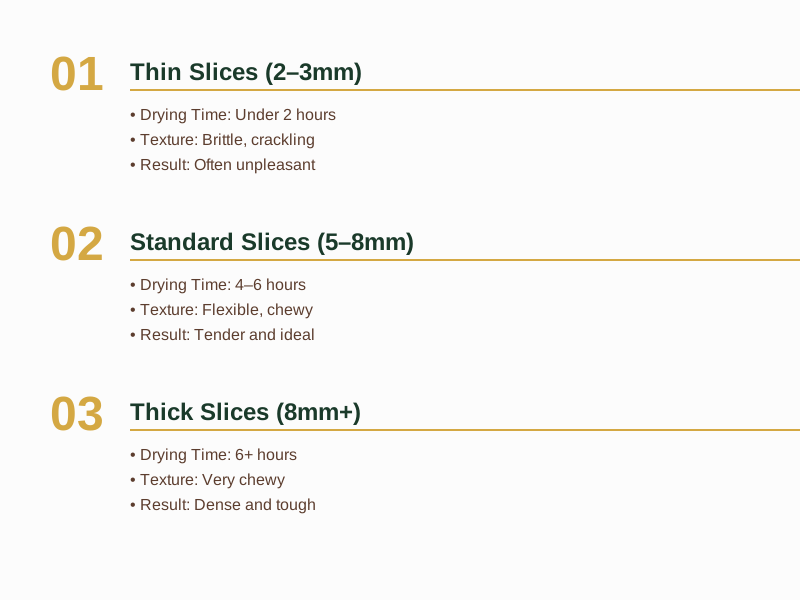
I’d buy topside, skip the stir-fry pack, keep the marinade in the fridge, and not dry a single strip until a thermometer in the thickest one reads 71°C. The dial can say whatever it likes.
- Best Meats for Homemade Jerky in the UK — topside, fat trimmed. Not a marbled steak.
- Easy Jerky Marinade Recipes for UK Beginners — Worcestershire, Marmite, smoked paprika. Flavour, not the cook.
- How to Make Jerky in the Oven UK — 71°C in the middle first, door shut, then dry.
- How to Make Jerky in the Air Fryer UK — fast air crusts the outside if the heat is fierce. Small batches.
- How Long to Dehydrate Jerky in the UK — the hours. Not a safety clock on this page.
- How to Store Homemade Jerky for Maximum Shelf Life — cool it before you seal it. No fridge life here.
- Jerky Q&A Hub
Download the Free Fermentation Starter Checklist before you slice.
Download the Free Fermentation Starter Checklist again when the thermometer comes out of the drawer. The dial is not the reading.
Sources & Further Reading
- Campden BRI draft literature review for the Food Standards Agency, March 2010 (PDF)
- Benchfoods: how to dehydrate meat safely
- NHS: botulism
- Great British Chefs: how to make beef jerky
- Surfy’s Prague Powder #1 listing
As an Amazon Associate we earn from qualifying purchases. The products linked above are ones we think are worth a look.
Note: This guidance is for informational purposes. Always consult official sources or qualified professionals for specific safety procedures.