
How to Store Home Cured Bacon
Worried your home-cured bacon will go mouldy? This UK guide explains how long bacon lasts in the fridge, freezer, and vacuum sealed, and why Cure #1 is essential for safety.
Browse our guides to curing and drying meat at home in a UK kitchen — biltong, jerky and bacon, step by step.
Worried your home-cured bacon will go mouldy? This UK guide explains how long bacon lasts in the fridge, freezer, and vacuum sealed, and why Cure #1 is essential for safety.

Your home-cured bacon tastes like salt bricks. Here’s the UK-specific 30-minute soak and freeze trick to cut the salt and get perfect slices every time.

Most UK recipes say "7 days," but that's only for small bellies. A 2kg piece needs 10 days for full safety. Here's the UK-specific time formula that prevents botulism.
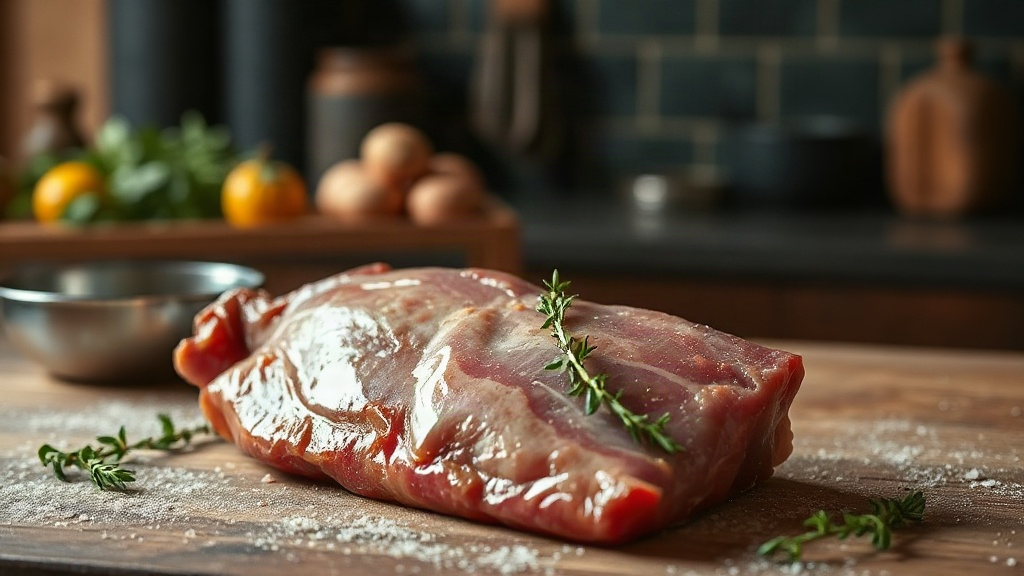
Wet cure requires a brine and large container. Dry cure uses just salt and a bag. For UK beginners, dry cure is safer, simpler, and produces firmer bacon. Here's the verdict.
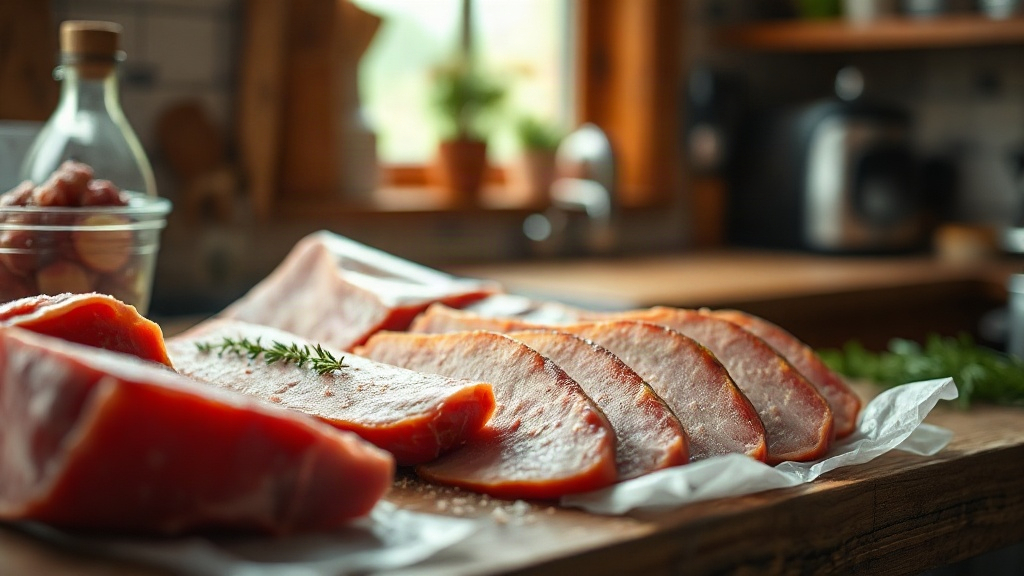
Most recipes calculate salt on the raw weight. Here's why you must weigh your meat after trimming to get the perfect 2.5% ratio for safe, tasty bacon.

If the belly says brined or added water, don't cure it. Weigh the pack dose, then cook it through.
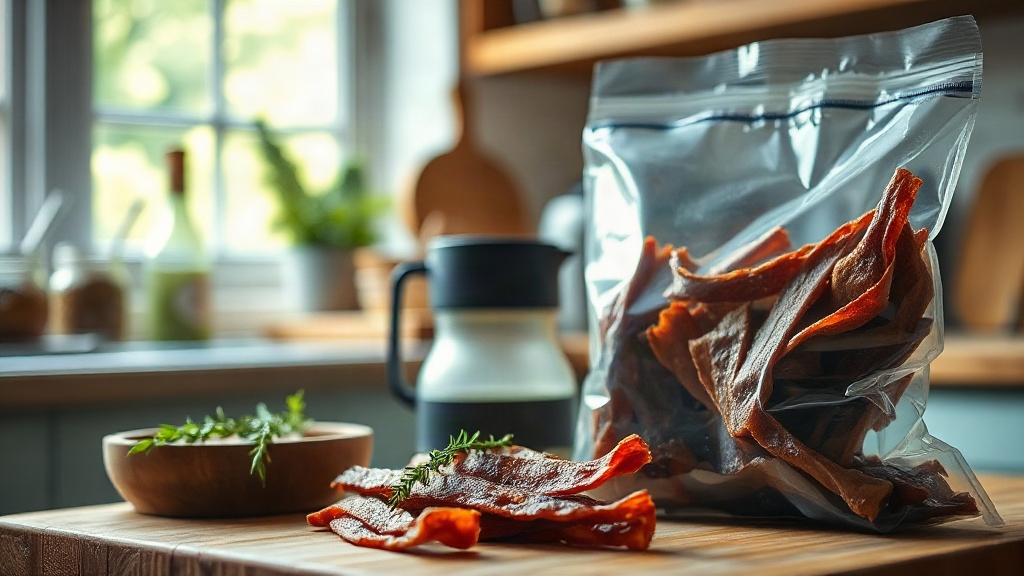
How to cool, pack and store homemade jerky, with refrigeration and freezing options and the limits of judging safety by appearance.

Most guides say 3-4 hours, but UK beef takes longer. Here's the drying time for 5mm and 8mm strips at 60°C, plus the safety step you're missing.

Most air fryer jerky recipes burn the outside before drying the inside. This UK guide shows you how to use the 60°C setting for safe, chewy results in under 3 hours.

Most guides tell you to prop your oven door open, but that wastes energy. Here's how to make safe, tasty jerky in a UK fan oven in just 3-4 hours.